We eliminate vibration in rotating equipment right at your site in Portugal — without removing the rotor. We measure first, find the cause, and only then balance.
We balance the rotor in its own bearings, without removal or transport.
Based in Vila Nova de Gaia (Porto). We work at the customer's site.
We measure vibration and check whether the cause is actually imbalance.
A follow-up measurement and a report with vibration readings before and after.
A lack of balancing leads to accelerated wear of bearings and shafts, deterioration of fasteners and welds, reduced motor service life, damage to the housing and structure, increased noise and vibration, reduced operating precision, and a risk of accidents.
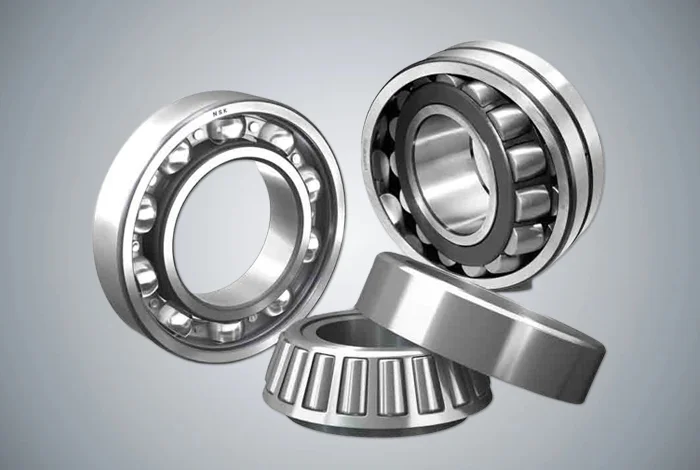
Vibration is a symptom, not a ready-made diagnosis. Balancing helps when the source is imbalance in the rotating part. Shaft misalignment, worn bearings, loose mounting, or resonance call for a different fix — which is why we start with a measurement.
This information lets us clarify the task, check whether on-site work is possible, and prepare an estimate.
Describe Your TaskFrom the initial measurement to the final check, plus instrument supply and staff training. Our main focus is dynamic on-site balancing.
We correct imbalance directly on the installed machine, in one or two planes, without removing the rotor. This is the right choice when measurements confirm that the vibration is caused by imbalance.
Learn More →We measure vibration parameters, combine them with the machine's history and a visual inspection, and rank the likely causes — so you fix the right problem first.
Learn More →Fans, smoke exhaust fans, and supply air units. Two-plane balancing of the impeller in its own bearings — quieter and vibration-free.
Learn More →Level, spectrum, speed, and phase. You find out where the machine vibrates, how strongly, and at which frequencies. One high number on its own is not yet a diagnosis.
Learn More →A portable two-channel vibration analyzer and balancer — the same instrument we use on site. For those who want to balance equipment themselves.
Learn More →We explain the measurement method and hands-on work with the balancing instrument, so your team can balance equipment on its own.
Learn More →We balance almost any rotor that can be safely run on site. Feasibility depends on the design, access, operating speed, and the availability of correction planes.
Don't see your machine on the list? Send us the type and speed, and we'll tell you whether on-site balancing is possible.
We clarify the equipment, symptoms, operating speed, location, and access to the rotor.
We record the baseline vibration at operating speed and determine the nature of the fault.
If the cause is imbalance, we calculate and fit the correction weight. If it isn't, we provide our assessment.
We repeat the measurement under the same conditions and hand over a report with readings before and after.
The price has two parts: vibration diagnostics with a report — always charged — and balancing — charged only if the measurements confirm that it is possible.
Real jobs: the drop in vibration before and after balancing, sensor placement, and fitting correction weights right on site.
Real sites, measurements, and work in progress — @axiline.pt
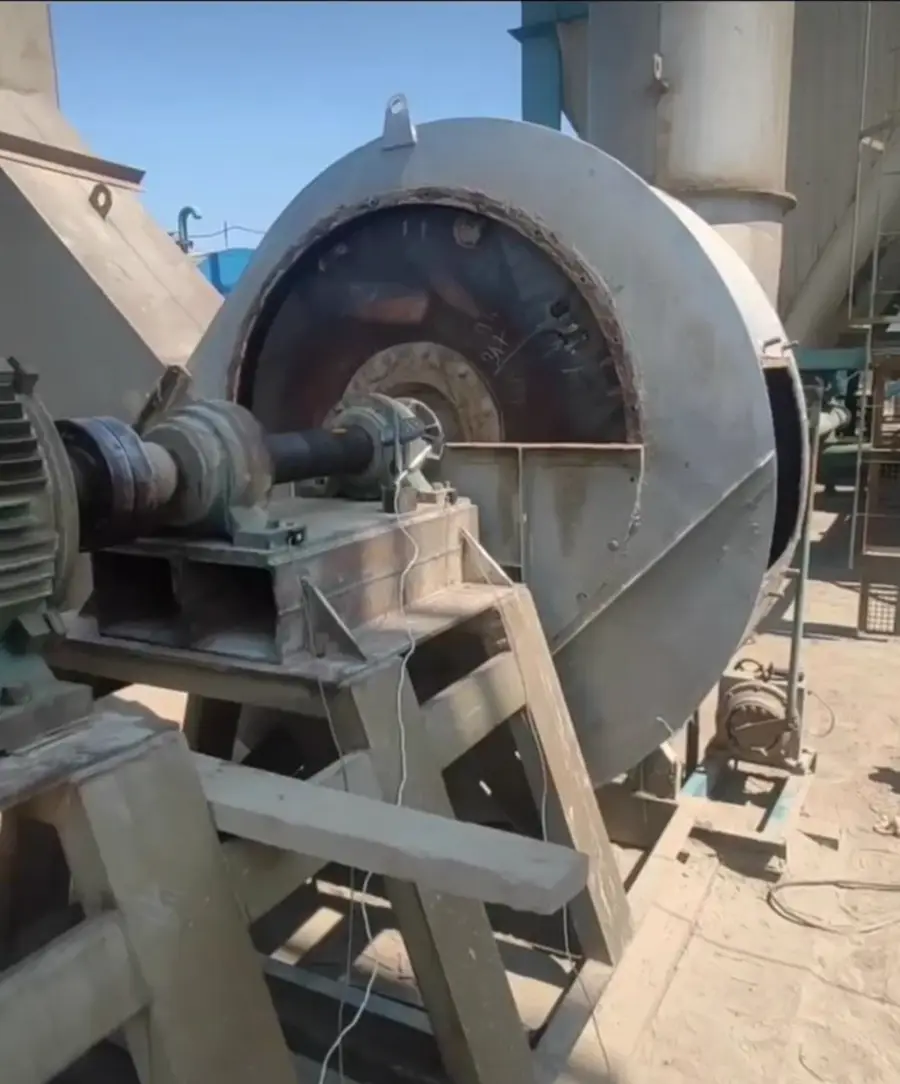
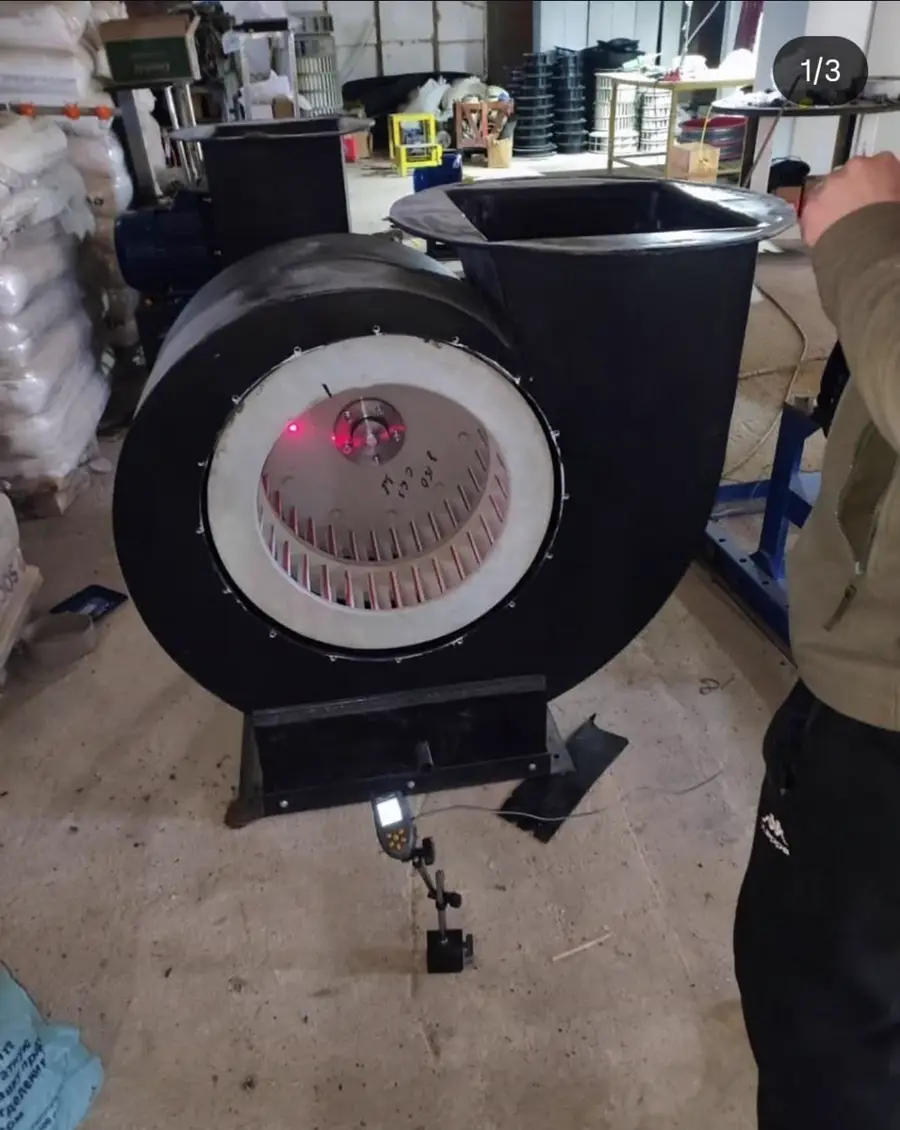
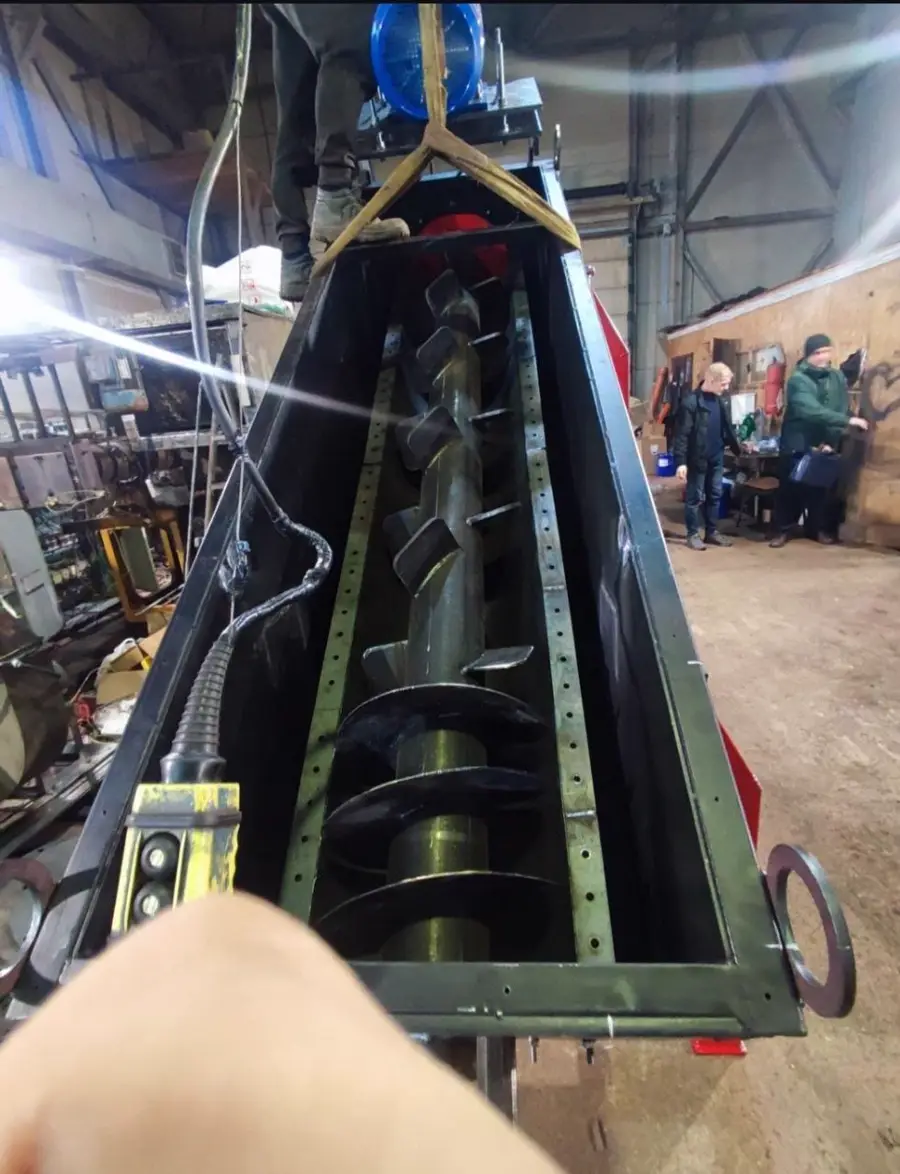
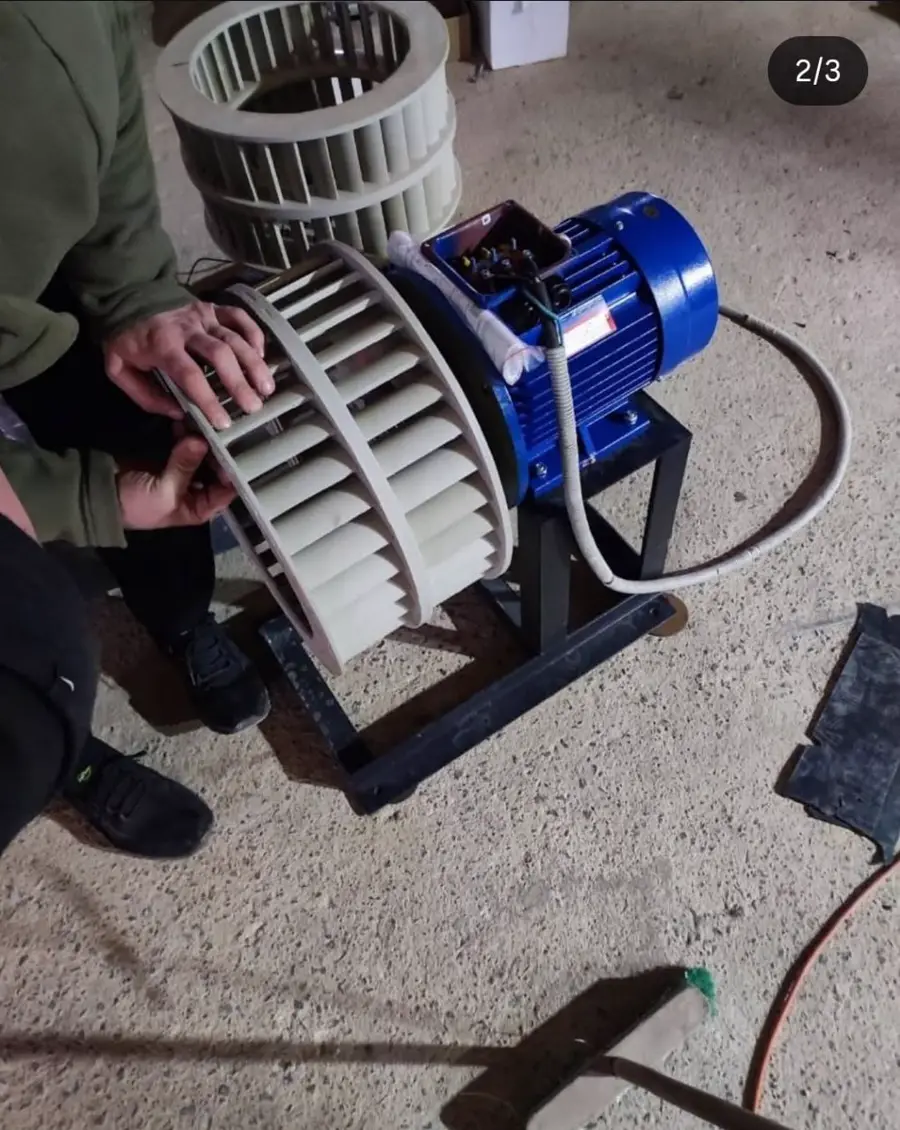
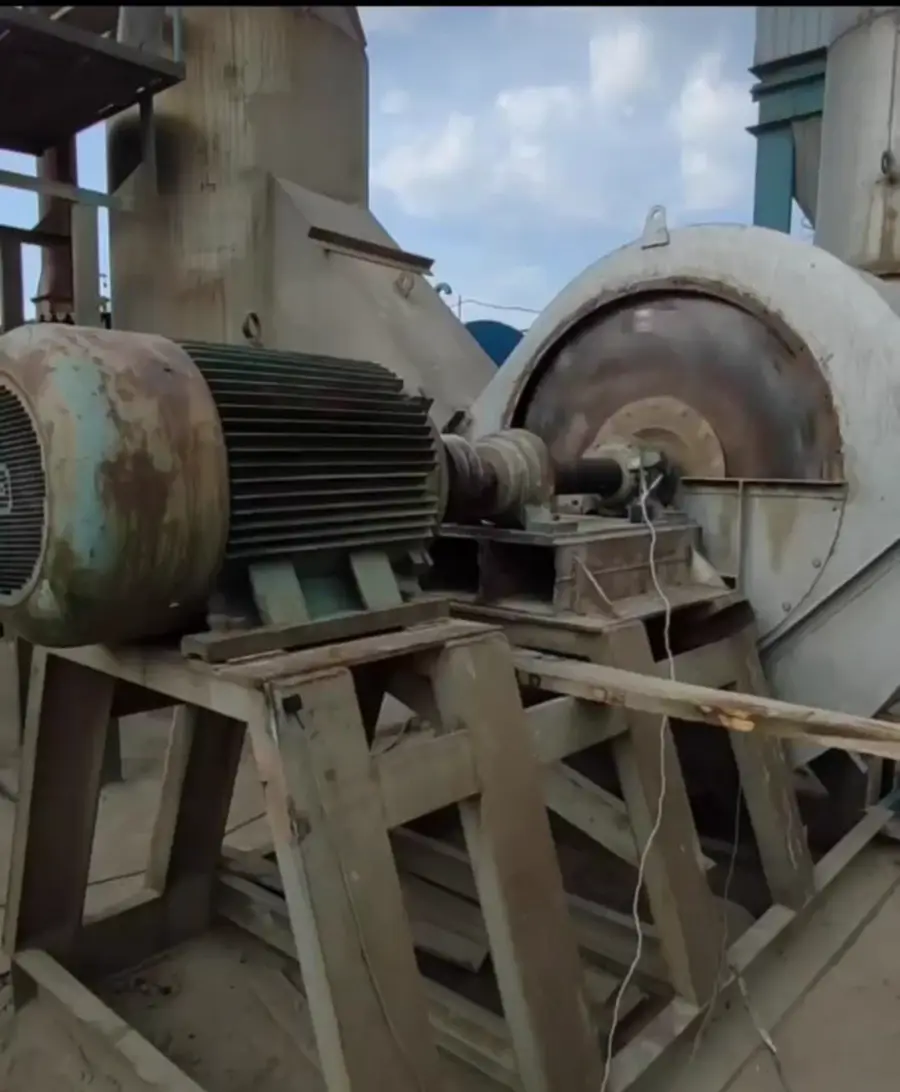
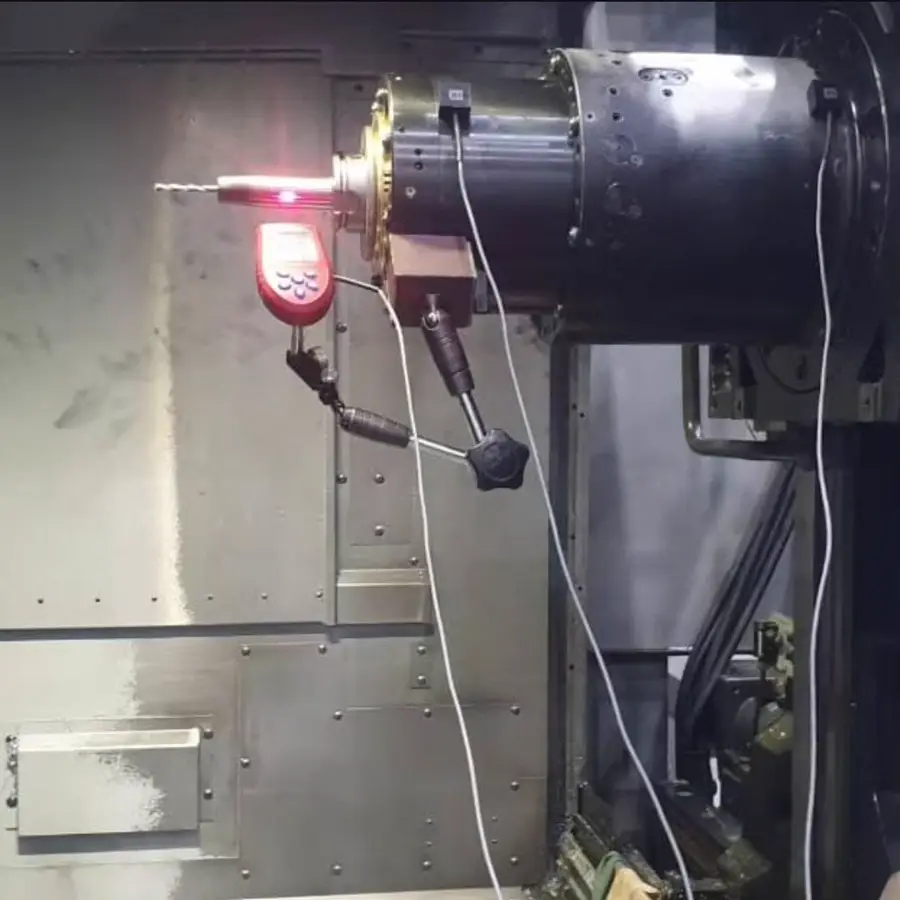
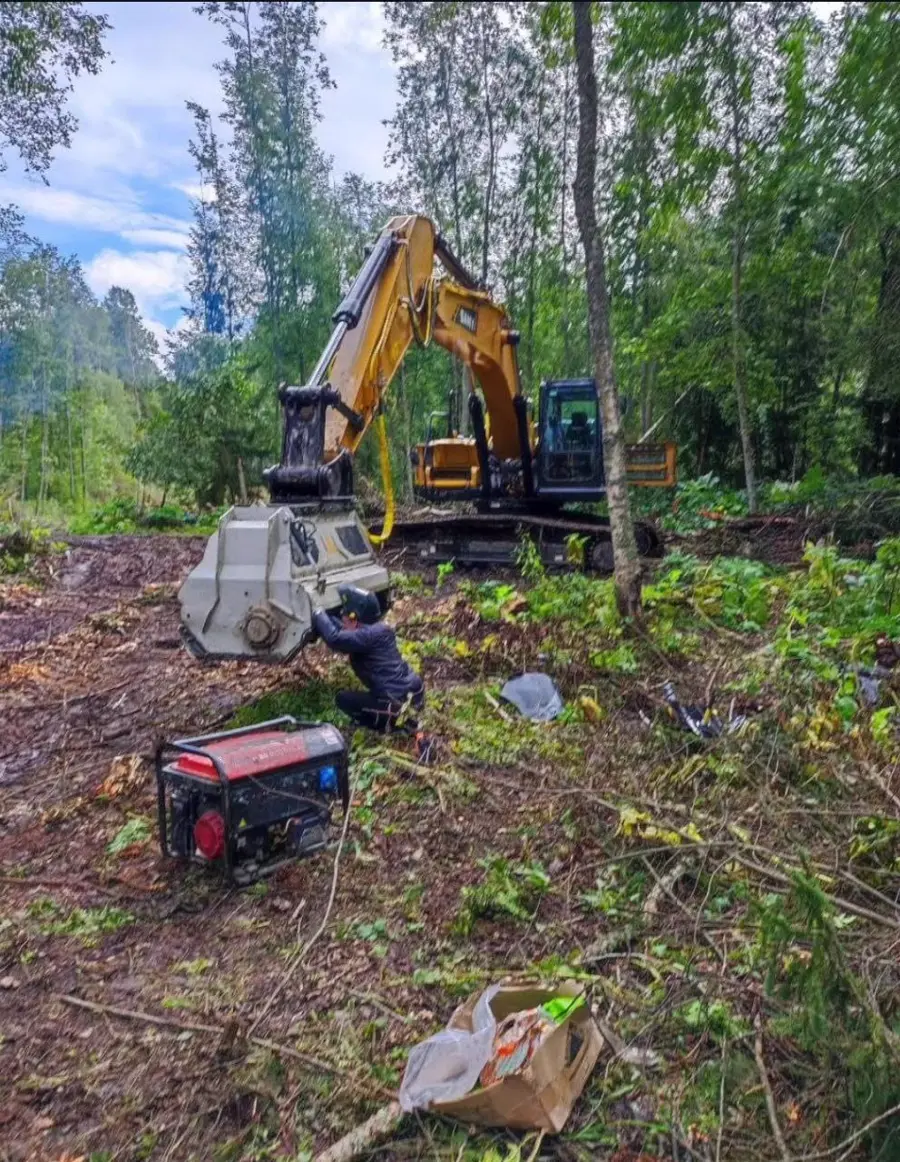
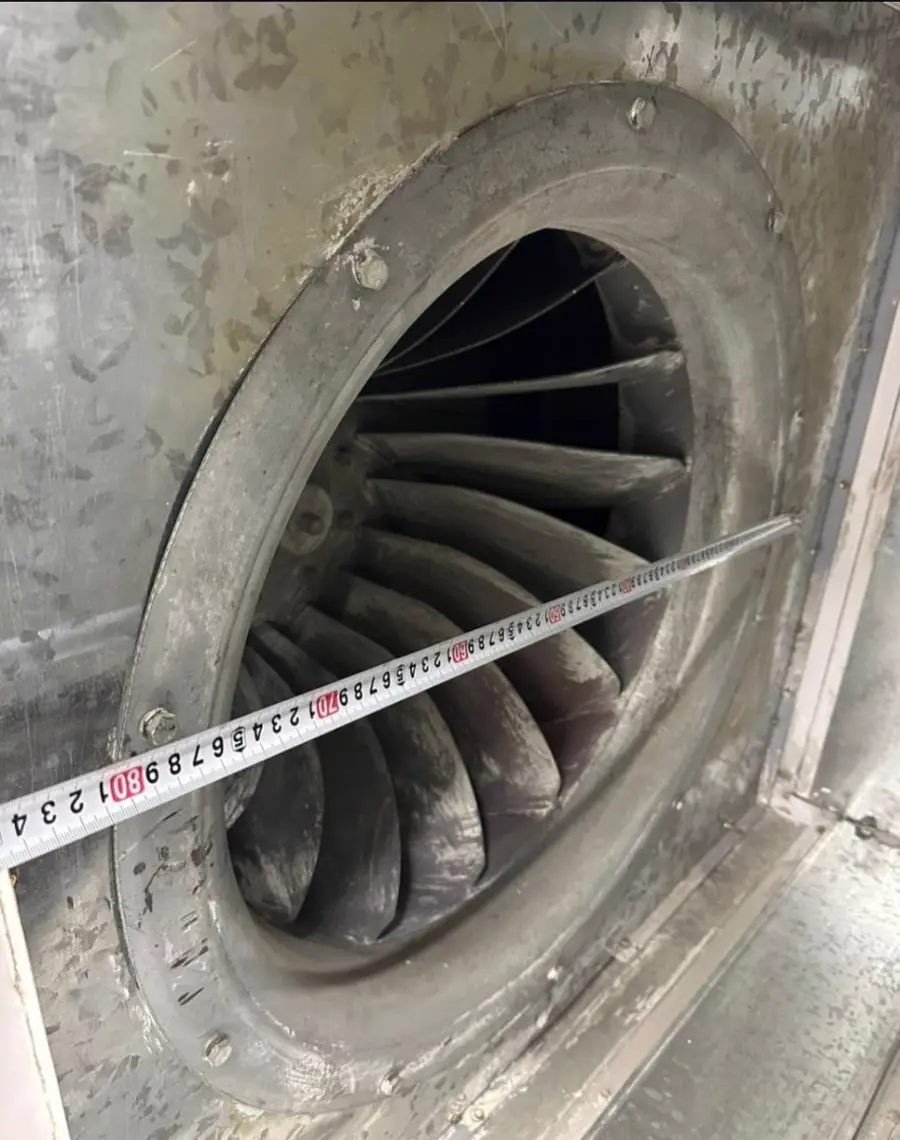
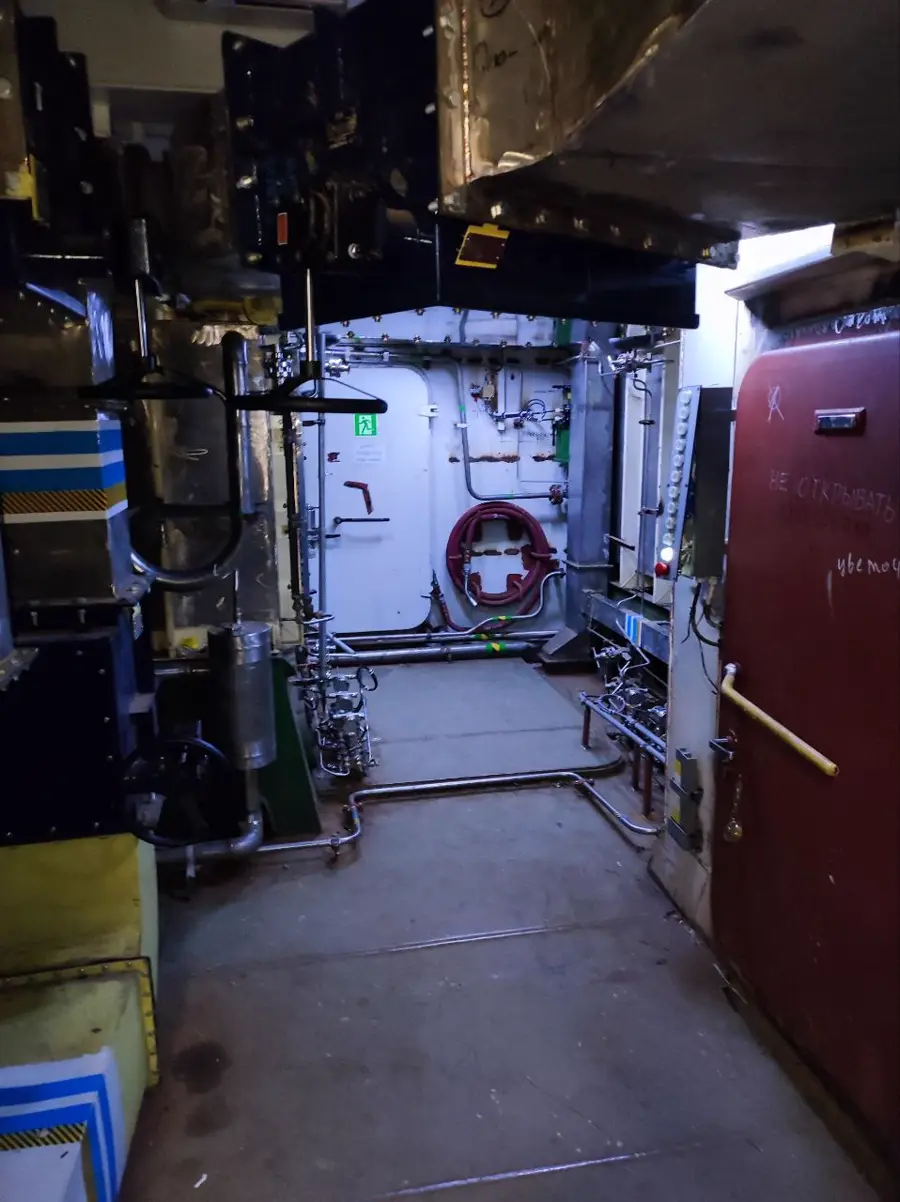
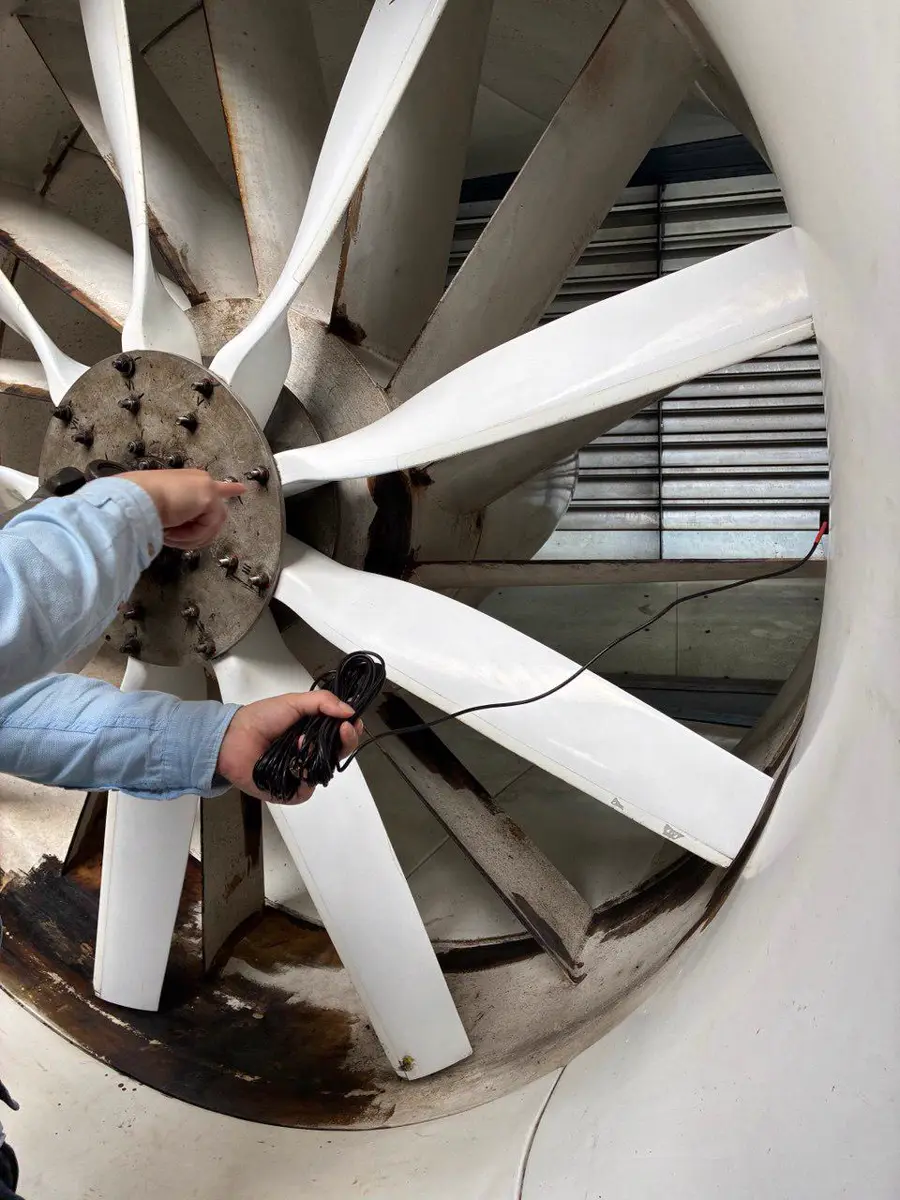
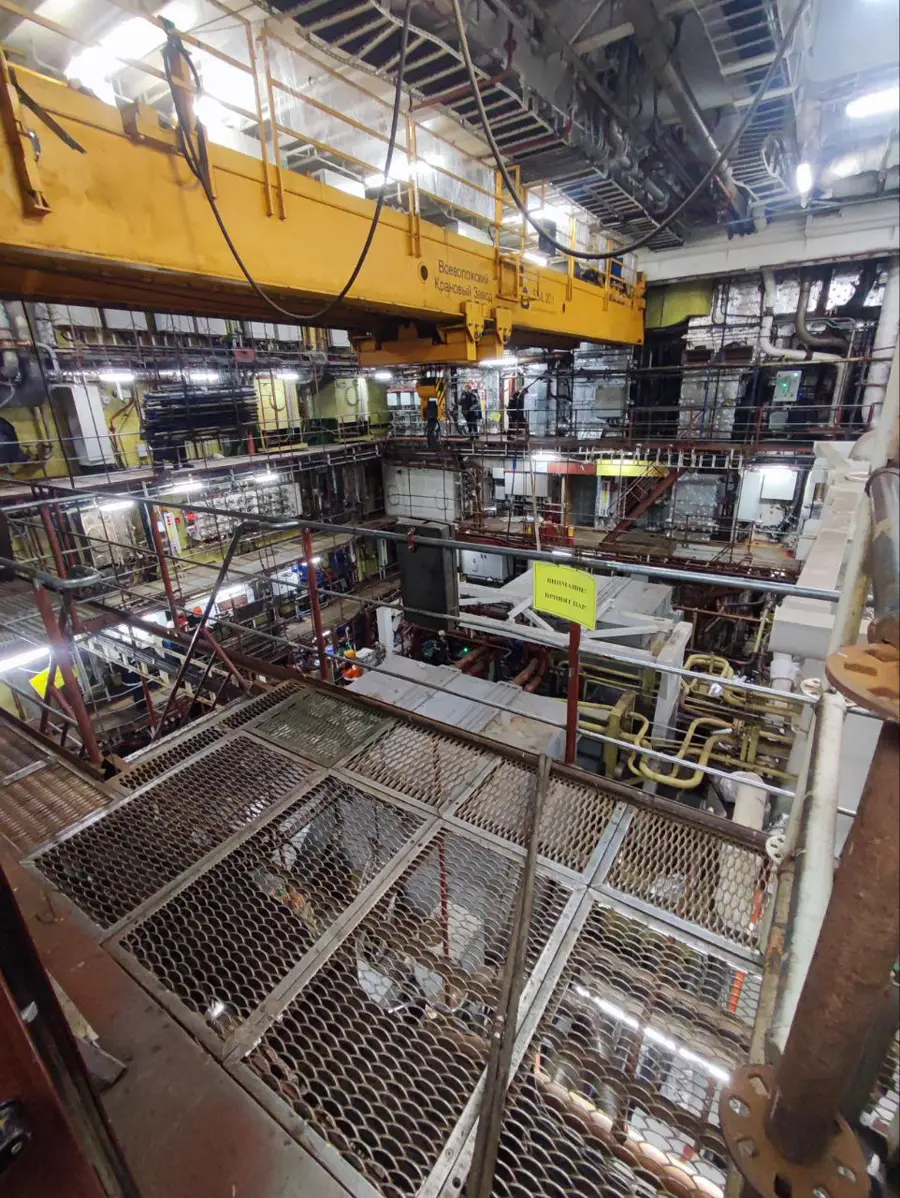
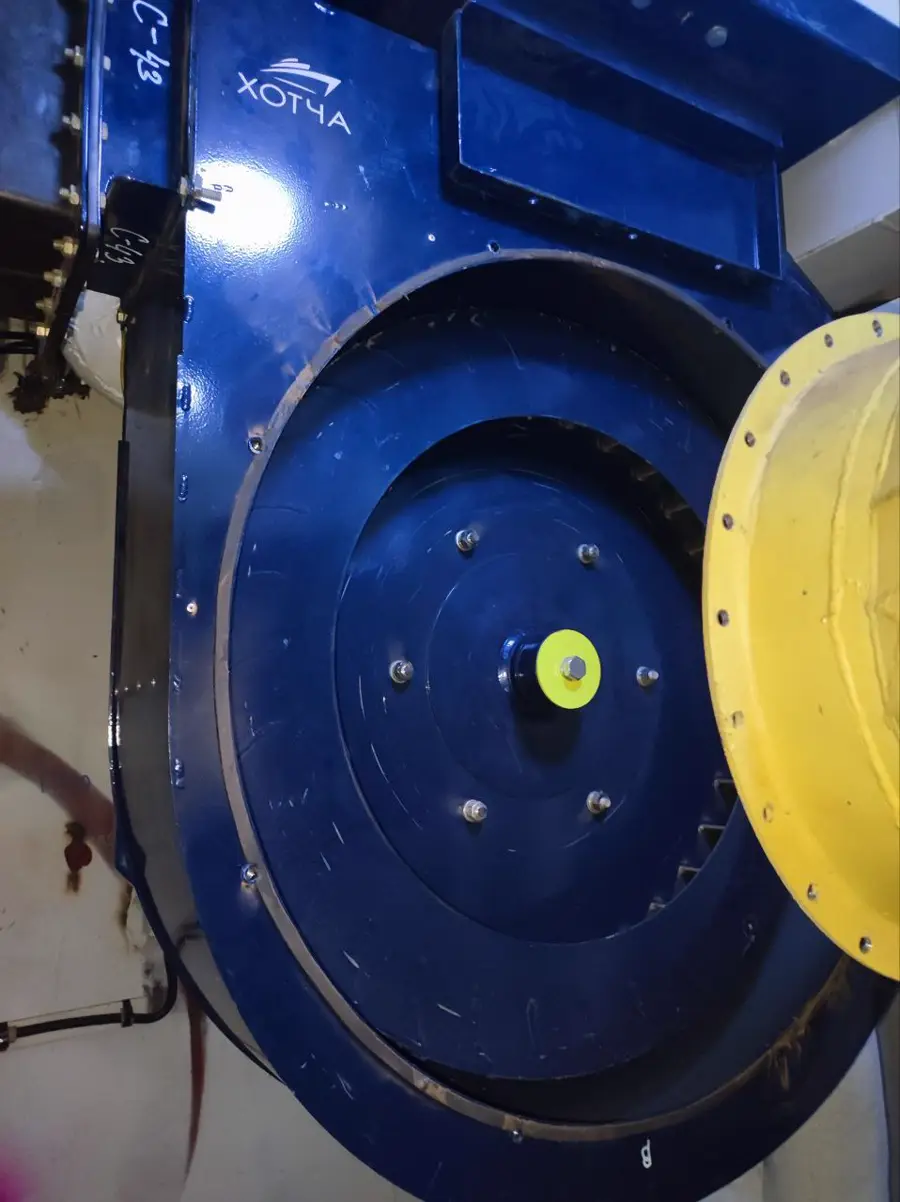
Photos of our work and equipment. See more on AXILINE’s Instagram.
For the visit to succeed in a single trip, we need a few things from you — small, but important. Here's what should be ready before we arrive.
Balancing is only carried out on machines that are in good working order and properly secured in place: bearings in working condition, frame free of cracks, fasteners tight. If we find a fault during inspection, repairs are needed first. In that case, we carry out vibration diagnostics, identify the cause, and prepare a report — and charge only for diagnostics and travel, not for balancing.
Caked-on dust, dirt, and product buildup are themselves a source of imbalance: it sticks today, it flakes off tomorrow. The rotor needs to be cleaned before balancing — otherwise the result won't hold, and the money will be wasted. If cleaning isn't possible on site, we'll tell you honestly before starting the work.
Balancing requires 3–6 start-ups of the machine. We need one of your staff who knows the equipment, operates the start-up and shutdown, and is responsible for job safety and work authorization. Our specialists do not operate your equipment themselves — this is a safety rule.
A standard 220 V outlet is needed near the machine to power the measuring instrument and laptop. An extension cord works too — what matters is stable power during the measurements.
We need access to the bearing housings to mount the sensors, space for a reflective marker on the shaft, and access to the rotor to fit the weights — an open hatch, a removed cover, or a window in the casing. If access requires disassembly, we'll agree on that in advance.
Send us photos of the unit and its nameplate, plus a short video of it running, on WhatsApp — before the visit, we'll tell you what to prepare, whether on-site balancing is possible, and how much it will cost. This is free.
Usually, yes. Balancing is performed in the machine's own bearings, provided there is safe access, the rotor runs stably, and conditions allow for several start-ups.
No. Shaft misalignment, worn bearings, loose mounting, resonance, or parts rubbing against each other can shake a machine just as much as imbalance. That's why we measure first and only add weight afterward.
The price has two parts: vibration diagnostics with a report — always payable — and balancing — only if the measurements confirm it is possible. If balancing is not possible, you pay only for diagnostics and travel and receive a report identifying the cause. When the customer’s team attaches the weights under our supervision, no additional cost is added to the base service price. Non-welded weight attachment carried out by AXILINE is an additional service. Welding work is quoted separately and added to the service. Travel cost is calculated according to distance.
Yes. We're based in Vila Nova de Gaia, and we schedule visits across all of Portugal. Let us know where the machine is, and we'll sort out the travel.
A balancing report with vibration readings before and after, the mass and position of the correction weights, and, if needed, an assessment of the machine's condition.
We'll answer your questions, clarify the details, and let you know what's needed for an estimate and a visit.
Phone / WhatsApp: +351 931 831 229
Email: axilinegeral@gmail.com
Base: Vila Nova de Gaia (Porto), Portugal
 AXILINE